How Food Presentation Influences the Dining Experience?
August 6, 2026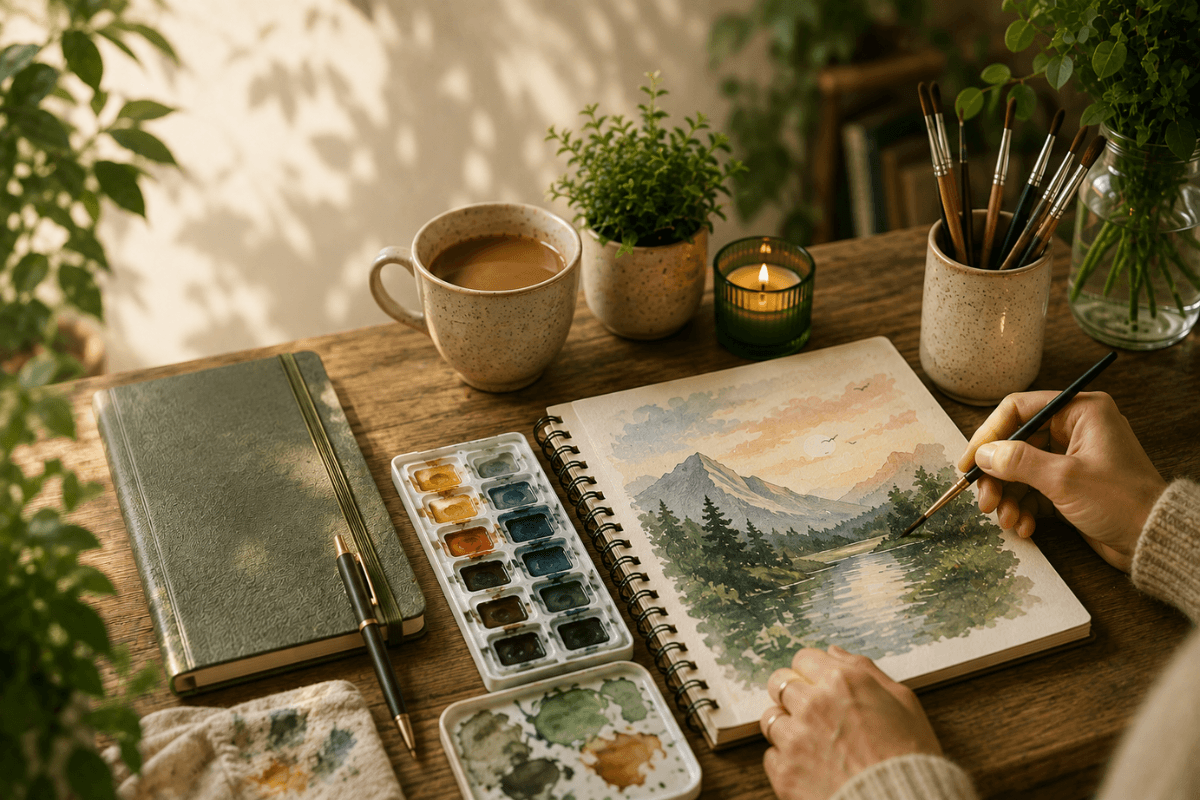
When was the last time you truly lost yourself in something playful, just for the joy of it?
With endless deadlines and responsibilities, most professionals rarely pause to recharge in ways that truly restore them.
The Dimming Nobody Names
We live in a world focused on targets and titles, where few ask how we’re really doing. Most of us keep delivering without acknowledging the cost—until we can’t. This isn’t usually a sudden crash, but a slow dimming. When you paint or sketch, your nervous system softens—cortisol drops, dopamine rises, and your hands remember something your calendar forgets: that you are a person, not just a function.
It gives gentle shape to what words can’t hold, with complete freedom and no right or wrong way. And it asks nothing of you but presence — you’re welcome to create imperfectly, and still feel its full gift.
Choosing hobbies for professionals that foster creativity, like drawing or painting, is more than a pastime. It’s about inviting creative wellness into your daily life, providing space to reconnect with yourself.
Why Visual Art Feels Like a Necessity — Not a Luxury
Visual art offers a unique escape: a chance to express what words cannot. Picking up a brush or some colored pencils isn’t about making something perfect—it’s about giving feelings a safe place to land. You don’t need talent; you only need openness.
Creative hobby benefits are well documented. Simple acts like doodling or painting have been shown to reduce anxiety, ease depression, and help us process complex emotions. Whether your colors are bold or muted, the page becomes a refuge—each mark a step toward healing.
A Brushstroke: Art as Real-World Healing
Consider the story of Connie Mississippi, a sculptor and long-time artist who was diagnosed with Parkinson’s disease. As the tremor in her left hand worsened, she felt her world shrink—her beloved tools and studio rendered useless. Yet, she didn’t stop. She turned to painting—transforming her breakfast room into a makeshift studio. Through daily strokes of brush and color, Connie found more than a creative outlet. She rediscovered purpose, joy, and a sense of control that Parkinson’s had tried to steal.
She reflects, “The painting and drawing I do every day always bring me fulfilment and satisfaction. I know doing the art definitely reduces the impacts of Parkinson’s.” (parkinson.org)
Art therapy has been shown to improve mood, reduce tremors and freezing, and offer emotional relief for people living with Parkinson’s disease. (parkinson.org)
According to research in Frontiers in Psychology (source), art for mental wellbeing does more than just pass the time—it can truly improve mood, motor function, and quality of life for those facing chronic illness. These kinds of stress relief activities aren’t limited to one condition. Many people facing chronic illness, pain, or grief turn to creative expression to manage pain, process emotions, and reconnect with hope.
This is creative wellness in action—small, daily acts of expression that bring color and meaning back into life, even in the hardest moments.
When words aren’t enough, making art becomes a way to heal, to remember joy, and to remind ourselves—and others—that transformation is always possible.
Creation Is the Rest You’ve Been Looking For
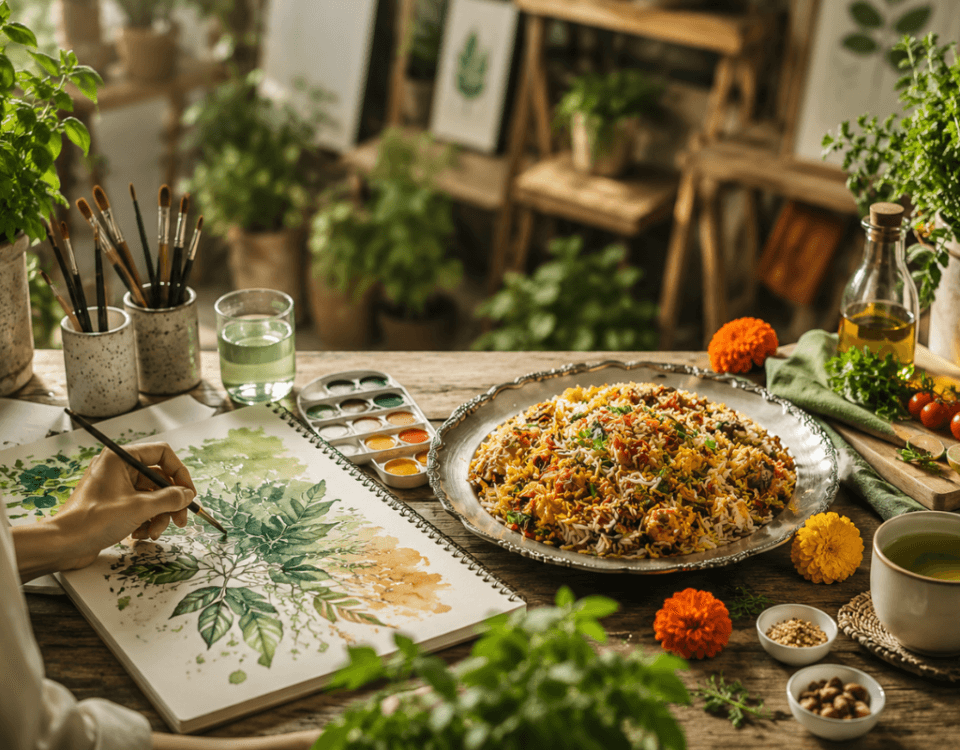
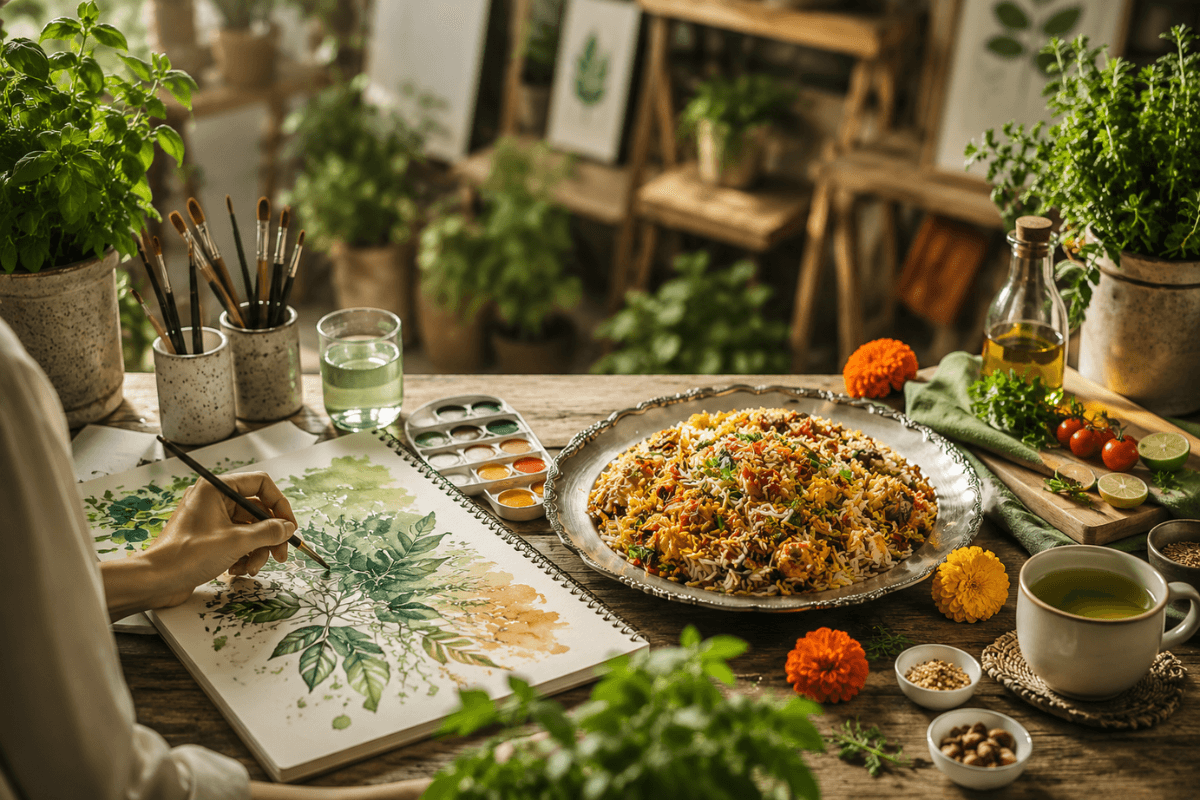
It doesn’t have to be grand—just twenty easy minutes with watercolors or a few doodles before bed.
As Sweta puts it: “When your canvas becomes your calm — that’s when wellness stops being something you chase, and quietly becomes something you simply live.”
For many, art is the most restful part of their week. There’s no pressure to perform, only the simple, mindful act of making something new. Through mindfulness and creativity, you find calm, clarity, and reconnection.
Creativity isn’t a luxury—it’s a gentle necessity, quietly waiting for you whenever you need it most.
With warmth, we invite you to explore our art workshops, mentorship programs, and portfolio guidance at herbzenhues.com/services
Because feeling well should never be occasional. It should be a gentle way of life.